The problem
Some books arrive without a reason. Someone tells you to read it, you take their word, and a few chapters in you are turning pages while nothing lands. You never learned what you were looking for.
Understanding a book starts with understanding why you are reading it. Without that, you finish with a few highlights and a vague sense of having been in the room. With it, every chapter has a job to do.
I ran into this with Capitalism and Freedom by Milton Friedman. It was recommended to me, and I opened it with no clear sense of why it mattered. I could have read on and hoped the reason would surface. Instead I decided to build the reason first.
The workbook
The workbook is a PDF that AI builds for me before I read the first page. Every book gets the same structure.
The first page is an abstract: what the book is, when it was published, who wrote it, the themes that keep returning, and how to read it. For Friedman, the instruction is to read it as an argument. That one line changed my approach. I stopped collecting facts and started tracking claims and the evidence behind them.
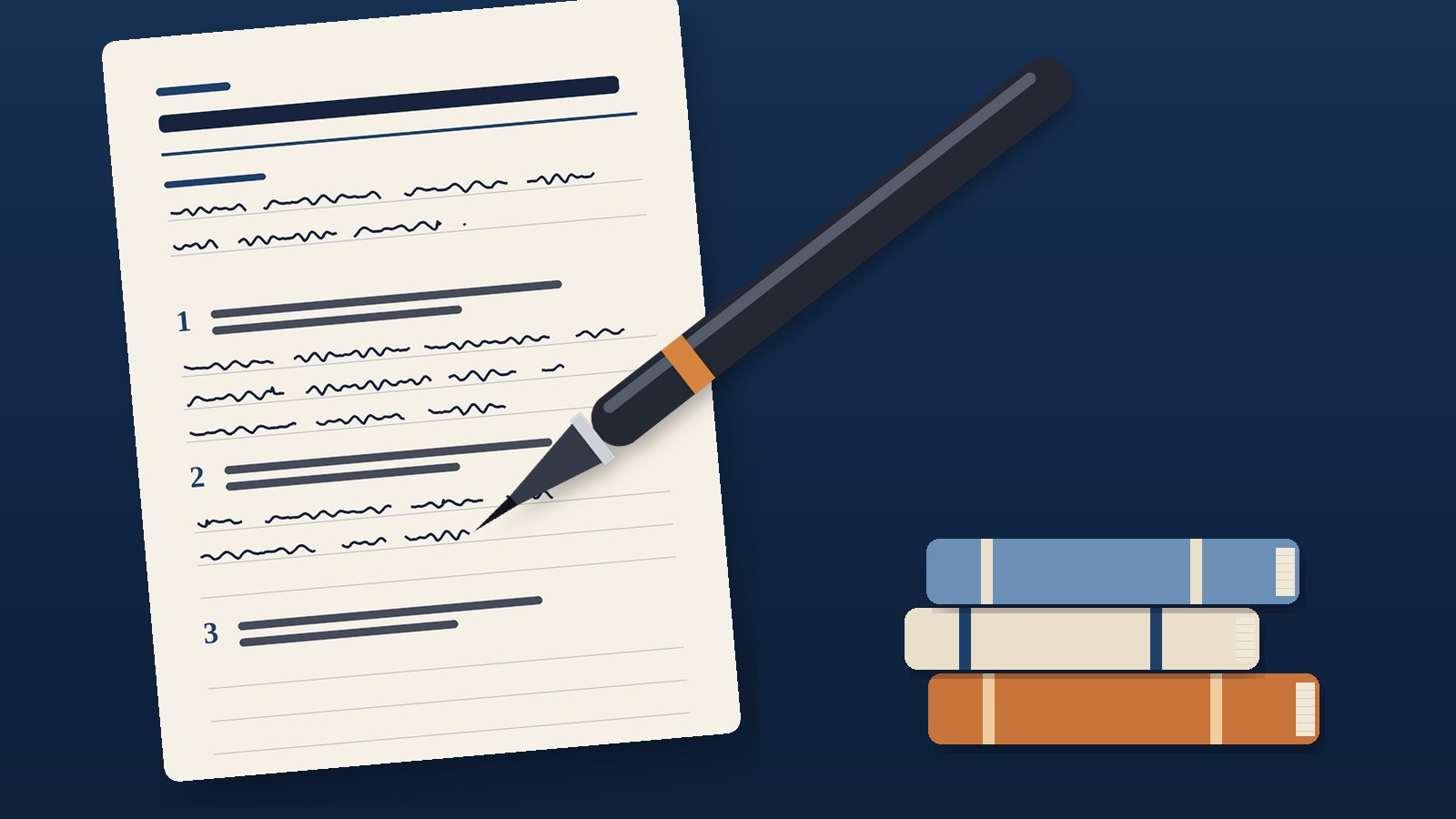
Each chapter then gets its own page. At the top is a single line: why am I reading this? Below it are three questions to carry into the chapter and answer as I go. At the bottom is an open notes section for everything the questions did not anticipate.
The back of the workbook holds two tools. The first is a page of key terms, the concepts the book depends on. The second is a vocabulary log with three columns: the word, the page where I found it, and what I think it means in my own words.
Why the pen
Writing by hand slows me down in the right places. I upload the PDF to my reMarkable Paper Pro and write directly on the pages.
Typing is fast, and fast is a problem when the goal is understanding. A keyboard lets me transcribe a thought without ever holding it. The pen forces a decision about what is worth the effort of writing. An answer to a chapter question has to pass through my mind and my hand before it reaches the page, and that is where the learning happens.
I think of it as a touch point. The book is in front of me, the pen is moving, and the two stay connected. The device keeps the feel of paper, and the PDF keeps everything for one book in a single file I can carry anywhere.
The division of labor
AI builds the structure, and I do the thinking.
The model was trained on a great deal of written literature, so it is well placed to say what a book argues, where it sits, and what a careful reader should watch for. That is scaffolding. It tells me where to look.
It cannot do the looking. The answers on the page are mine. The definitions in the vocabulary log are in my own words, written before I check anything. If the same tool that built the workbook also filled it in, I would own a tidy document and no understanding.
There is one limit worth stating plainly. The model builds from what it knows about a book, not from the pages in my hands. When I asked for vocabulary from each chapter, it could not pull words from my edition. So the key terms page covers the core concepts of the book, and the vocabulary log stays blank for me to fill as I read. I would rather have an honest blank than a confident guess.
Build your own
You can set this up for any book in a few minutes. Start with this prompt and replace the brackets.
I am reading [title] by [author]. Build me a printable reading workbook as a PDF.Page 1: an abstract covering what the book is, when it was published, who wrote it, its recurring themes, and how I should read it.For each chapter, one page with a line at the top asking why I am reading this chapter, three questions to answer while I read, and an open notes section.At the end: a page of key terms to know, with the chapter where each appears, and a blank vocabulary log with columns for the word, the page I found it on, and what I think it means in my own words.Leave plenty of room to write by hand. If you cannot source something from the book itself, say so and leave it blank.
The tool matters less than the sequence. Decide why you are reading, write it down, then let the book answer.